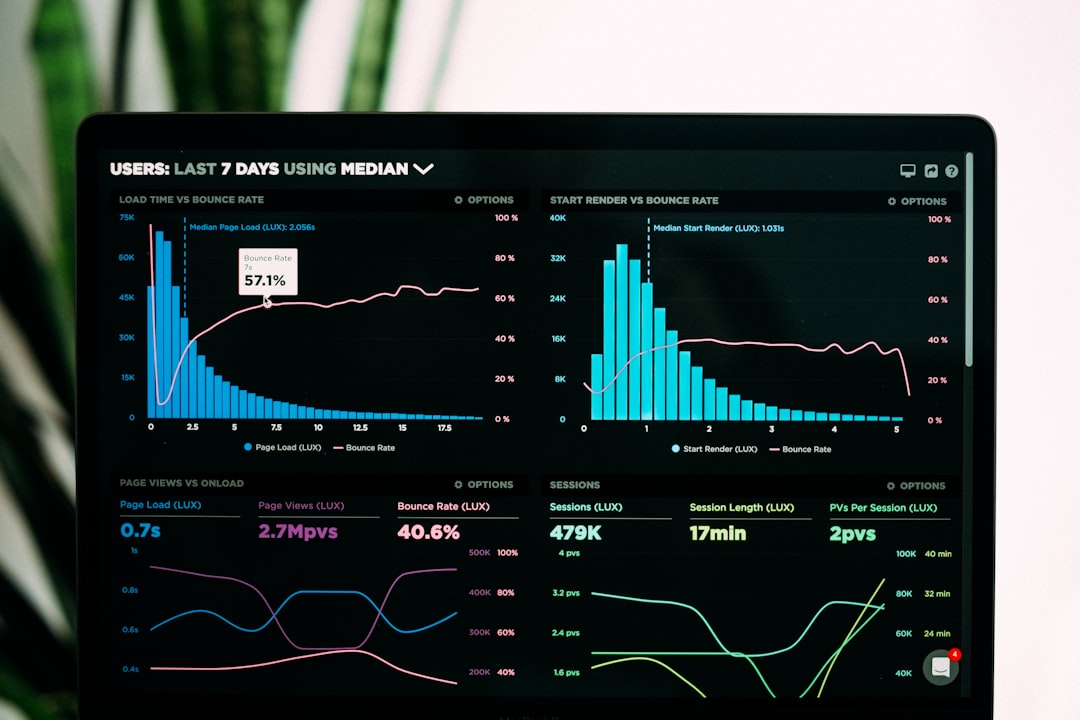
In the fast-paced world of startups, agility is the name of the game. Companies that can swiftly adapt to new data and trends often find themselves ahead of the competition. But how do you ensure that your startup is quick on its feet? The answer lies in real-time analytics. By leveraging real-time data, startups can make informed decisions that propel their business forward.
Understanding Real-Time Analytics
Real-time analytics is the process of gathering and analyzing data as it is created or updated. Unlike traditional data processing, which might involve batch processing and lag time, real-time analytics provides immediate insights. This immediacy allows startups to respond quickly to changes in their environment, whether that’s a shift in consumer behavior, market trends, or operational hiccups.
Why Real-Time Matters for Startups
Startups often operate with limited resources and tight timelines. Making decisions based on outdated data can lead to missed opportunities or missteps. Here’s why real-time data is crucial:
- Immediate Decision Making: Access to real-time data means startups can make decisions quickly, which is vital in dynamic markets.
- Enhanced Customer Experience: Understanding customer behavior as it happens can improve engagement strategies and increase satisfaction.
- Operational Efficiency: Real-time insights can help optimize processes, reduce waste, and improve resource allocation.
Implementing Real-Time Analytics — A Step-by-Step Guide
Choosing the Right Tools
The first step in leveraging real-time analytics is selecting the right tools. Popular options include platforms like Tableau and Amazon Kinesis. These tools are designed to handle large volumes of data and provide insights quickly.
Integrating Data Sources
Data integration is key. You’ll need to connect various data sources, such as customer databases, social media, and sales platforms, to your analytics tool. This ensures you have a holistic view of your operations.
Setting Up Dashboards
Dashboards are a critical component of real-time analytics. They provide visual representations of your data, making it easier to identify trends and insights. Customize your dashboards to highlight the metrics that matter most to your startup.
Real-World Example — Startup Success with Real-Time Data
Consider the case of a startup in the e-commerce sector. By implementing real-time analytics, they were able to track website traffic patterns and adjust their marketing strategies on the fly. When a new product was launched, they noticed an immediate spike in traffic from a specific region. With this insight, they quickly tailored their promotions to target that region, resulting in a 20% increase in sales over a week.
Challenges and Considerations
While real-time analytics offers numerous benefits, it’s not without challenges. Startups must consider:
- Data Overload: Too much data can be overwhelming. Focus on key metrics that align with your business goals.
- Security Concerns: Real-time data flows quickly, and protecting it is paramount. Implement robust security measures to safeguard sensitive information.
- Cost: Real-time analytics tools and infrastructure can be expensive. Startups should weigh the costs against the potential benefits.
Conclusion
Incorporating real-time analytics into your startup’s strategy can be a game-changer. By staying informed and agile, startups can navigate the complexities of the modern market with confidence and clarity. Whether it’s improving customer experiences, optimizing operations, or capitalizing on new opportunities, real-time data empowers startups to make smarter, faster decisions.
Photo by Luke Chesser on Unsplash
Leave a Reply