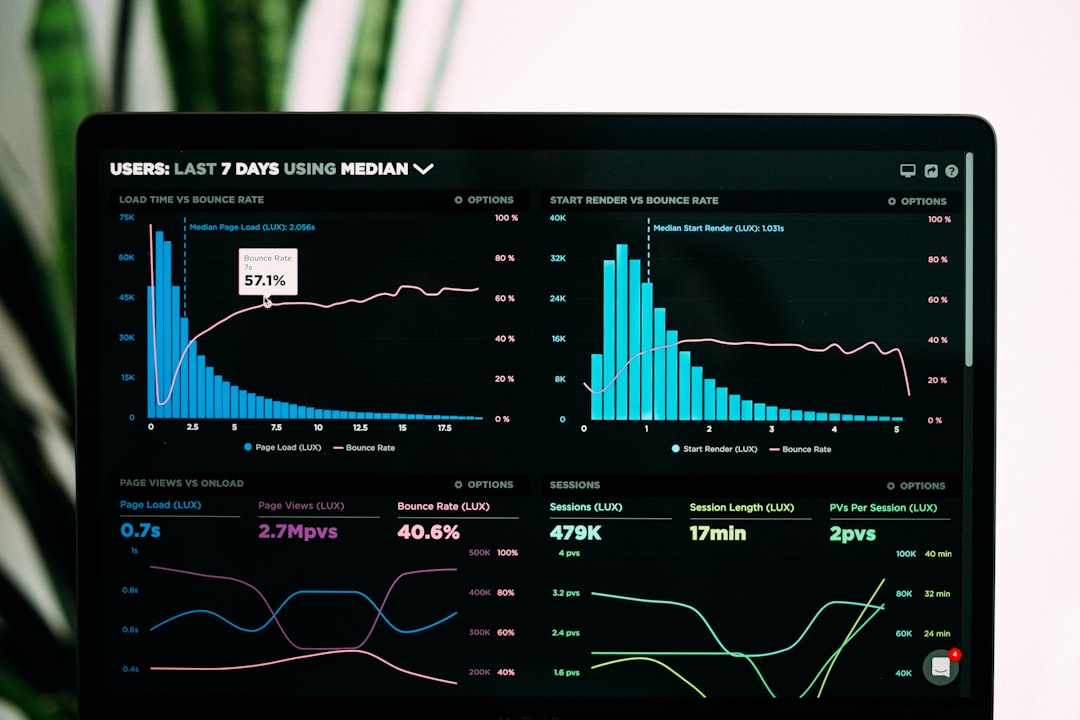
For startups, the ability to harness data effectively can be a game-changer. While the basics like tracking website metrics and customer feedback are essential, diving into advanced data analytics can unlock new avenues for growth and scalability. Let’s explore how startups can leverage these powerful techniques to drive their success.
Understanding the Landscape
Advanced data analytics involves using sophisticated techniques to extract deeper insights from data. For startups, this means moving beyond basic metrics to techniques that can predict trends, personalize customer experiences, and optimize operations. It’s about making data-driven decisions that are not only reactive but also proactive.
Predictive Analytics — Seeing the Future
Predictive analytics uses historical data to predict future outcomes. Startups can apply this by analyzing customer purchase histories and engagement patterns to forecast future behavior. For example, a subscription-based service might use predictive models to identify customers likely to churn and proactively offer them incentives to stay.
Consider a startup offering an AI-powered writing tool. By analyzing user interaction data, they could predict which features are most likely to attract premium upgrades and focus their development efforts accordingly.
Customer Segmentation — Personalization at Scale
Segmentation is about dividing your customer base into distinct groups based on shared characteristics. Advanced analytics can refine these segments beyond basic demographics to include behavioral and psychographic data, allowing for highly personalized marketing strategies.
Imagine a digital marketing startup using machine learning algorithms to segment their audience based on how users interact with their campaigns. They could tailor content specifically for each segment, increasing engagement and conversion rates.
Implementing Advanced Techniques
Implementing advanced data analytics techniques requires a blend of the right tools, a skilled team, and a clear strategy. Here are some practical steps:
Invest in the Right Tools
Startups need tools that can handle large datasets and provide deep insights. Platforms like Tableau for visualization, Splunk for operational intelligence, and Databricks for big data processing can be invaluable.
Build a Skilled Team
A team with skills in data science, machine learning, and data engineering is crucial. Startups might consider hiring or upskilling current employees to fill these roles. Online courses and platforms like Coursera and Udacity offer excellent resources for developing these skills.
Focus on Data Quality
Data-driven decisions are only as good as the data itself. Ensure that your data collection processes are robust and that your datasets are clean and well-organized. Regular audits can help maintain data integrity.
Real-World Applications
Startups across various sectors have successfully used advanced analytics to fuel growth. A fintech startup, for example, leveraged predictive analytics to enhance fraud detection, reducing false positives and improving customer trust. Meanwhile, an e-commerce platform used customer segmentation to launch targeted marketing campaigns, resulting in a 20% increase in sales within six months.
Challenges and Considerations
While the benefits are clear, implementing advanced data analytics is not without its challenges. Startups may face hurdles such as data privacy concerns, the need for significant initial investment, and the complexity of integrating new tools with existing systems. It’s important to weigh these factors and develop a clear roadmap for implementation.
Final Thoughts
Advanced data analytics presents a tremendous opportunity for startups aiming to scale and thrive in competitive markets. By predicting trends, personalizing customer interactions, and optimizing operations, startups can not only grow but do so with intelligence and efficiency. As you embark on this journey, remember that the key lies in aligning these techniques with your business goals and ensuring that every data-driven decision is actionable and meaningful.
Photo by Luke Chesser on Unsplash
Leave a Reply