Author: Learn Data Team

  • Common Pitfalls in Startup Data Analytics and How to Avoid Them

    Common Pitfalls in Startup Data Analytics and How to Avoid Them

    Data analytics can be a game-changer for startups, offering insights that drive growth and innovation. Yet, many budding businesses fall into common traps that hinder their data-driven efforts. Understanding these pitfalls is crucial to harnessing the full potential of data analytics.

    Overlooking the Importance of Data Quality

    It’s easy for startups to dive into data analytics without prioritizing data quality. Poor data quality can lead to inaccurate insights, which can misguide decisions, much like relying on a faulty compass when navigating unknown territories. Ensuring your data is clean, consistent, and complete should be a top priority. Implementing regular data audits and cleaning processes helps maintain data integrity.

    Ignoring the Need for a Clear Strategy

    Jumping into analytics without a clear strategy is akin to setting sail without a destination. Startups often collect data without knowing what they aim to achieve. Defining your goals and aligning your data strategy with business objectives is crucial. Are you trying to increase customer retention or optimize operational efficiency? Having a clear question or problem in mind will guide your data collection and analysis efforts.

    Case in Point — The Retail Startup

    Consider a retail startup that gathered vast amounts of sales data but hadn’t set clear objectives. By identifying their goal to enhance customer experience, they focused their analytics efforts on customer feedback and purchasing patterns, leading to a 20% increase in customer satisfaction.

    Failing to Invest in the Right Tools and Talent

    Startups often hesitate to invest in robust data tools and skilled personnel, preferring to save costs. However, cutting corners here can be detrimental. Investing in the right analytics tools that fit your business needs and hiring or training team members with analytical skills can significantly enhance your data capabilities. For instance, leveraging open-source platforms like Python for data manipulation or Tableau for data visualization can be cost-effective yet powerful.

    Not Leveraging Real-Time Analytics

    In today’s fast-paced world, relying solely on historical data can make your startup reactive rather than proactive. Real-time analytics provides immediate insights, allowing you to make informed decisions quickly. For example, an e-commerce startup using real-time analytics can adapt their marketing strategies based on live customer behavior, thus increasing conversion rates.

    Overcomplicating the Analytics Process

    Complexity in analytics can lead to confusion rather than clarity. Startups often build intricate models and dashboards that are hard to interpret. Simplifying your analytics approach by focusing on key metrics that align with your objectives can make your insights more actionable. Remember, clarity over complexity should be the guiding principle.

    Real-World Example — Simplifying Dashboards

    A tech startup initially overwhelmed their team with complex dashboards showing every conceivable metric. By narrowing it down to five key performance indicators, they enhanced understanding and decision-making efficiency across the board.

    Neglecting Data Security and Privacy

    As startups scale, data security and privacy often take a backseat. However, data breaches can damage your reputation and lead to legal issues. Implementing strong data governance and security measures from the outset protects your data assets and builds customer trust. Adopting practices such as data encryption and regular security audits is essential.

    Conclusion — Making Data Work for You

    Data analytics can be a powerful ally in your startup’s journey, but only if you avoid these common pitfalls. By focusing on data quality, having a clear strategy, investing in the right tools and talent, leveraging real-time analytics, simplifying processes, and ensuring data security, you can turn data into a strategic asset that propels your startup towards success. Remember, effective data analytics is not about having more data, but about making better decisions with the data you have.

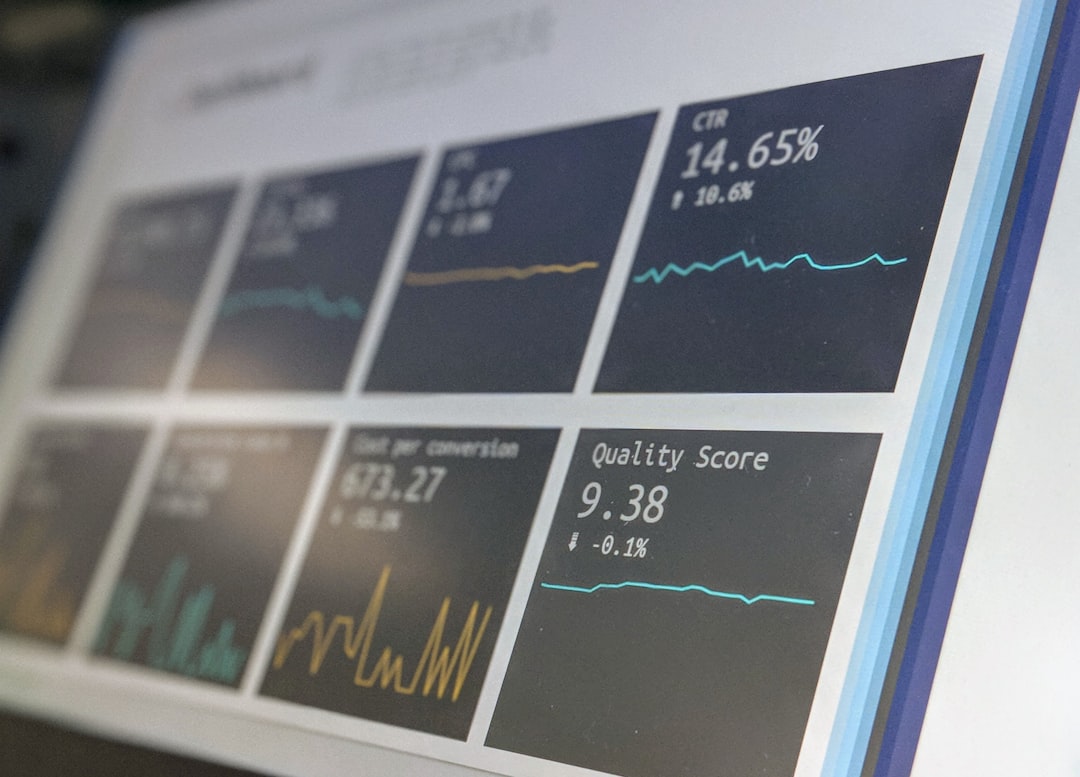
    Photo by Markus Spiske on Unsplash

  • Predictive Analytics: Forecasting Future Trends for Startups

    Predictive Analytics: Forecasting Future Trends for Startups

    In the fast-paced world of startups, staying ahead of the curve can be the difference between success and obscurity. One powerful tool at your disposal is predictive analytics. By leveraging data to forecast future trends, startups can make informed decisions, anticipate customer behavior, and stay one step ahead of the competition.

    Understanding Predictive Analytics

    Predictive analytics is all about using historical data to predict future outcomes. It combines statistical techniques, machine learning, and data mining to analyze current and historical facts to make predictions about future events. For startups, this means turning raw data into powerful insights that drive decision-making.

    Why Startups Should Care About Predictive Analytics

    Startups operate in highly dynamic environments where quick pivots and rapid growth are often necessary. Predictive analytics can provide startups with the foresight needed to navigate these challenges effectively. Here’s why it’s crucial:

    • Market Trends: By analyzing market data, startups can identify emerging trends and adjust their strategies accordingly. This proactive approach can help in capturing market share before competitors.

    • Customer Insights: Predictive models can forecast customer behavior, helping startups tailor their products and marketing strategies to meet customer needs more effectively.

    • Resource Allocation: Startups often operate with limited resources. Predictive analytics can help optimize resource allocation, ensuring that time and money are invested where they will have the most impact.

    Getting Started with Predictive Analytics

    Implementing predictive analytics might seem daunting, but it doesn’t have to be. Here’s a simple roadmap to get started:

    1. Define Your Goals

    Before diving into data, it’s crucial to define what you want to achieve. Are you looking to improve customer retention, optimize marketing efforts, or forecast sales? Having clear goals will guide your analytics process.

    2. Collect and Prepare Your Data

    Your predictions are only as good as your data. Start by collecting relevant data from various sources like CRM systems, social media, and market reports. Ensure that your data is clean, accurate, and consistent.

    3. Choose the Right Tools

    There are numerous tools available that cater to different levels of expertise. For startups, user-friendly platforms like Tableau or Power BI can be great starting points. These tools offer intuitive interfaces and powerful analytics capabilities.

    4. Build and Test Models

    With your data and tools ready, you can start building predictive models. Experiment with different algorithms, such as regression analysis or decision trees, to find what works best for your data. Testing is key—validate your models by comparing predictions with real outcomes.

    5. Implement and Iterate

    Once you have a working model, integrate it into your business processes. Use the insights to make informed decisions and continually refine your models as more data becomes available.

    Real-World Example — A Startup Success Story

    Consider Startup XYZ, a company in the e-commerce space. They faced the challenge of high cart abandonment rates. By deploying predictive analytics, they identified patterns in customer behavior that led to abandonment. By implementing targeted promotions and personalized email campaigns based on these insights, they reduced cart abandonment by 15% within three months.

    Challenges and Considerations

    While predictive analytics offers immense benefits, it’s essential to be aware of potential challenges:

    • Data Privacy: Ensure that your data collection and usage comply with privacy regulations. Transparency with customers about how their data is used is crucial.

    • Data Quality: Predictive models are only as good as the data they are built on. Regularly assess and clean your data to maintain accuracy.

    • Model Complexity: Avoid over-complicating models. Sometimes simpler models can provide quicker insights with less computational power.

    Conclusion

    Predictive analytics can be a game-changer for startups, providing the insights needed to stay competitive and agile. By understanding your goals, leveraging the right tools, and continuously refining your models, you can harness the power of data to forecast trends and drive your startup towards success. Remember, it’s not just about predicting the future—it’s about creating it.

    Photo by Conny Schneider on Unsplash

  • Advanced Data Analytics Techniques for Startup Growth

    Advanced Data Analytics Techniques for Startup Growth

    For startups, the ability to harness data effectively can be a game-changer. While the basics like tracking website metrics and customer feedback are essential, diving into advanced data analytics can unlock new avenues for growth and scalability. Let’s explore how startups can leverage these powerful techniques to drive their success.

    Understanding the Landscape

    Advanced data analytics involves using sophisticated techniques to extract deeper insights from data. For startups, this means moving beyond basic metrics to techniques that can predict trends, personalize customer experiences, and optimize operations. It’s about making data-driven decisions that are not only reactive but also proactive.

    Predictive Analytics — Seeing the Future

    Predictive analytics uses historical data to predict future outcomes. Startups can apply this by analyzing customer purchase histories and engagement patterns to forecast future behavior. For example, a subscription-based service might use predictive models to identify customers likely to churn and proactively offer them incentives to stay.

    Consider a startup offering an AI-powered writing tool. By analyzing user interaction data, they could predict which features are most likely to attract premium upgrades and focus their development efforts accordingly.

    Customer Segmentation — Personalization at Scale

    Segmentation is about dividing your customer base into distinct groups based on shared characteristics. Advanced analytics can refine these segments beyond basic demographics to include behavioral and psychographic data, allowing for highly personalized marketing strategies.

    Imagine a digital marketing startup using machine learning algorithms to segment their audience based on how users interact with their campaigns. They could tailor content specifically for each segment, increasing engagement and conversion rates.

    Implementing Advanced Techniques

    Implementing advanced data analytics techniques requires a blend of the right tools, a skilled team, and a clear strategy. Here are some practical steps:

    Invest in the Right Tools

    Startups need tools that can handle large datasets and provide deep insights. Platforms like Tableau for visualization, Splunk for operational intelligence, and Databricks for big data processing can be invaluable.

    Build a Skilled Team

    A team with skills in data science, machine learning, and data engineering is crucial. Startups might consider hiring or upskilling current employees to fill these roles. Online courses and platforms like Coursera and Udacity offer excellent resources for developing these skills.

    Focus on Data Quality

    Data-driven decisions are only as good as the data itself. Ensure that your data collection processes are robust and that your datasets are clean and well-organized. Regular audits can help maintain data integrity.

    Real-World Applications

    Startups across various sectors have successfully used advanced analytics to fuel growth. A fintech startup, for example, leveraged predictive analytics to enhance fraud detection, reducing false positives and improving customer trust. Meanwhile, an e-commerce platform used customer segmentation to launch targeted marketing campaigns, resulting in a 20% increase in sales within six months.

    Challenges and Considerations

    While the benefits are clear, implementing advanced data analytics is not without its challenges. Startups may face hurdles such as data privacy concerns, the need for significant initial investment, and the complexity of integrating new tools with existing systems. It’s important to weigh these factors and develop a clear roadmap for implementation.

    Final Thoughts

    Advanced data analytics presents a tremendous opportunity for startups aiming to scale and thrive in competitive markets. By predicting trends, personalizing customer interactions, and optimizing operations, startups can not only grow but do so with intelligence and efficiency. As you embark on this journey, remember that the key lies in aligning these techniques with your business goals and ensuring that every data-driven decision is actionable and meaningful.

    Photo by Luke Chesser on Unsplash

  • Case Study: Successful Data Strategies from Leading Startups

    Case Study: Successful Data Strategies from Leading Startups

    In the bustling world of startups, data isn’t just numbers on a spreadsheet. It’s the secret sauce that can transform a fledgling idea into a successful enterprise. While many startups recognize the importance of data, only a few have mastered the art of turning it into a competitive advantage. Let’s dive into some real-world examples of startups that have harnessed data to catapult their success.

    Understanding Data-Driven Success

    Before we explore specific case studies, it’s crucial to understand what makes a data strategy effective. It’s not about having the most data but knowing how to use it wisely. Successful startups leverage data to glean insights, make informed decisions, and pivot when necessary. They focus on actionable insights rather than getting bogged down in metrics that don’t matter.

    Case Studies of Data Success

    Airbnb’s Data-Driven Growth

    Airbnb, the global accommodation platform, is a prime example of a startup that used data to fuel its growth. From the very beginning, Airbnb focused on using data to improve user experience. They analyzed user behavior to refine their search algorithm, ensuring that potential renters were matched with the most suitable listings. This personalization increased user satisfaction and retention, which are critical for any startup.

    Moreover, Airbnb used data to optimize pricing strategies. By analyzing market demand and seasonal trends, they could dynamically adjust prices, which maximized occupancy rates and revenue. This approach demonstrates how effectively using data can directly impact a startup’s bottom line.

    Spotify’s Personalized Playlists

    Another compelling example is Spotify, the music streaming giant. Spotify’s success is, in large part, due to its data-driven approach to personalization. The company collects vast amounts of data on user listening habits and preferences. This data feeds into algorithms that create personalized playlists for each user, such as the popular ‘Discover Weekly.’

    The result? Increased user engagement and longer subscription durations. Spotify’s ability to keep users engaged with personalized content shows how a well-executed data strategy can enhance user experience and foster loyalty.

    Slack’s User Feedback Loop

    Slack, the team collaboration tool, leveraged data from user feedback to refine its product continuously. By paying close attention to how users interacted with their platform, Slack was able to identify pain points and swiftly implement changes. This proactive approach ensured that the product evolved in line with user needs, boosting user satisfaction and reducing churn.

    Slack also used data to track feature adoption rates. Understanding which features were popular helped prioritize development resources, ensuring that improvements aligned with user demand.

    Lessons Learned from Data-Driven Startups

    So, what can aspiring data professionals learn from these successful startups? Here are some key takeaways:

    • Focus on Actionable Insights: Collect data that can directly inform business decisions. Avoid getting overwhelmed by vanity metrics that don’t drive growth.

    • Prioritize User Experience: Use data to enhance the user journey. Whether it’s through personalization or simplifying processes, a better user experience can lead to higher retention rates.

    • Be Agile: Use data to stay nimble. The ability to pivot quickly in response to data-driven insights can be a game-changer for startups.

    • Continuous Improvement: Data should inform a cycle of ongoing improvement. Regularly revisit and refine strategies based on the latest insights.

    Building Your Data Strategy

    As you consider building or refining your startup’s data strategy, remember these examples. Start by identifying your key metrics, ensure you have the right tools to collect and analyze data, and always keep the user at the heart of your decisions. By learning from those who have successfully paved the way, you can turn data into your startup’s most valuable asset.

    Embrace the potential of data with confidence and clarity, and who knows? Your startup might just be the next success story future data professionals look up to.

    Photo by Alvaro Reyes on Unsplash

  • Building a Data-Driven Culture in Your Startup

    Building a Data-Driven Culture in Your Startup

    Creating a data-driven culture in a startup can feel like a daunting task, especially when resources are stretched thin and priorities are constantly shifting. Yet, establishing this culture early on can be a game-changer for your decision-making processes and long-term success. In this guide, we’ll explore how startups can foster a culture that not only values data but also uses it effectively to drive growth and innovation.

    Understanding the Importance of a Data-Driven Culture

    Startups thrive on agility and innovation. A data-driven culture complements these traits by enabling teams to make informed decisions swiftly. When everyone in the organization understands the value of data, it becomes a powerful tool to test hypotheses, optimize processes, and ultimately, outpace competitors.

    Take, for example, a small tech startup focused on developing productivity apps. By analyzing user engagement data, they might discover that a particular feature is underutilized. This insight can lead to targeted improvements that enhance the user experience and boost retention rates.

    Steps to Build a Data-Driven Culture

    Start with Leadership

    The journey towards a data-driven culture begins at the top. Leaders must champion the cause by demonstrating a commitment to data in decision-making. This involves communicating the value of data and setting an example by basing strategic decisions on data insights.

    An inspiring case is how Airbnb’s leadership emphasized data from the outset. By ensuring that data was at the core of their operations, they were able to continuously refine their platform based on user behavior and market trends.

    Invest in the Right Tools

    Having the right tools to collect, analyze, and visualize data is crucial. Startups don’t need to break the bank; there are plenty of affordable or even free tools available. For instance, Google Analytics and Tableau provide robust data insights and visualization capabilities without requiring a hefty investment.

    Consider a scenario where a startup uses a combination of Google Analytics for tracking web traffic and Tableau for visualizing customer journey maps. These tools can reveal patterns and opportunities that might otherwise go unnoticed.

    Empower Your Team

    A data-driven culture thrives when all team members are comfortable with data. Provide training and resources to help your team develop the necessary skills. Encourage them to ask questions, explore data sets, and share findings.

    For example, conducting regular workshops or hackathons focused on data skills can encourage a hands-on approach to learning. This not only builds confidence but also fosters a collaborative environment where data becomes a shared language.

    Overcoming Challenges

    Building a data-driven culture isn’t without its challenges. Startups may face resistance from team members who are accustomed to intuition-based decision-making. To address this, highlight success stories within your organization where data-driven decisions led to positive outcomes.

    Another common challenge is data quality. As a startup, focus on maintaining clean, accurate, and relevant data. Implementing consistent data entry protocols and regular audits can mitigate quality issues.

    Real-World Impact

    Consider the example of a retail startup that leveraged customer data to personalize their marketing campaigns. By analyzing purchase history and browsing patterns, they were able to create targeted promotions that resulted in a 30% increase in sales during a single quarter.

    Such tangible outcomes reinforce the value of a data-driven approach and inspire confidence across the organization.

    Conclusion

    Fostering a data-driven culture in your startup is an ongoing process that requires commitment and adaptability. By prioritizing data in decision-making and empowering your team with the right tools and skills, you can harness data’s full potential. This cultural shift not only enhances operational efficiency but also positions your startup for sustainable growth and innovation.

    Remember, the journey to becoming data-driven is unique for every startup, but the payoff in clarity, confidence, and competitive advantage is well worth the effort.

    Photo by UX Indonesia on Unsplash

  • How to Identify Key Metrics for Your Startup

    How to Identify Key Metrics for Your Startup

    Starting a new venture is both exciting and daunting, especially when it comes to measurement and growth. If you’re working at a startup, you know how crucial it is to track the right data. Having a clear picture of your key metrics can make or break your business. But with so many metrics to choose from, how do you know which ones are truly worth your attention?

    Understanding the Importance of Key Metrics

    Startups operate in a fast-paced environment where decisions need to be made quickly. Key metrics provide a reliable way to gauge your startup’s health and progress. They guide strategic decisions, help identify potential issues, and highlight areas of success. But not all metrics are created equal. Focusing on the wrong ones can lead to misguided strategies and missed opportunities.

    Identifying Your Startup’s Unique Metrics

    The first step in selecting key metrics is understanding that they need to be specific to your business model, industry, and goals. For instance, a SaaS company might prioritize customer retention rates, while an e-commerce startup might focus on conversion rates.

    Define Your Business Goals

    Start by clearly defining what success looks like for your startup. Is it rapid user growth, profitability, or market penetration? Your business goals should steer your metric selection. For instance, if your aim is to increase market share, tracking the number of new users or customers over time could be crucial.

    Focus on Actionable Metrics

    Avoid vanity metrics that look good on paper but don’t drive action. Metrics such as number of downloads or website visits can be misleading if they don’t correlate with engagement or revenue. Instead, focus on metrics that offer insights into the health of the business, such as customer acquisition cost (CAC) or lifetime value (LTV).

    Ensure Metrics Align with Stages of Growth

    Your startup will evolve, and so should your metrics. Initially, you might focus on product-market fit, tracking metrics like user feedback and engagement. As you scale, metrics such as churn rate or net promoter score (NPS) become more relevant.

    Examples of Key Metrics for Startups

    Here are some common metrics that startups across various industries might consider:

    • Customer Acquisition Cost (CAC): This metric helps you understand how much you’re spending to gain a new customer. It’s vital for assessing the efficiency of your marketing strategies.

    • Customer Lifetime Value (LTV): LTV estimates the total revenue expected from a customer during their relationship with your company. It’s crucial for evaluating long-term sustainability.

    • Churn Rate: This measures the percentage of customers who stop using your service in a given period. A high churn rate can indicate problems with customer satisfaction or engagement.

    • Monthly Recurring Revenue (MRR): Especially important for subscription-based models, MRR provides a steady view of revenue growth over time.

    • Conversion Rate: This indicates how effectively you turn prospects into customers. It’s essential for optimizing sales and marketing funnels.

    Real-World Application — A Case Study

    Consider a fictional startup, “DataSavvy,” which offers an analytics platform for small businesses. Initially, DataSavvy focused on user acquisition, placing heavy emphasis on metrics like website visits and sign-ups. However, as they matured, they realized that these metrics didn’t necessarily lead to paying customers.

    By shifting focus to CAC and LTV, DataSavvy was able to refine their marketing strategies, targeting efforts toward channels that provided the best returns. They also began measuring engagement metrics to understand how users interacted with their platform, leading to product improvements that increased customer satisfaction and retention.

    Taking Action — How to Track Your Metrics

    Once you’ve identified your key metrics, the next step is setting up systems to track and analyze them effectively. Here are some steps to get you started:

    Use the Right Tools

    Invest in analytics tools that align with your needs. Google Analytics, Mixpanel, and Tableau are popular choices that offer robust features for tracking various metrics.

    Set Clear Benchmarks

    Establish benchmarks to measure success. This could be industry averages or internal goals. Regularly compare your performance against these benchmarks to identify trends and make informed decisions.

    Regularly Review and Adapt

    Metrics should not be static. Regularly review your key metrics and adjust them as your startup grows and evolves. This ensures that you’re always focused on what matters most.

    Conclusion

    Finding the right metrics is an ongoing process that evolves with your startup. By focusing on actionable, relevant metrics that align with your goals, you can drive growth and make data-driven decisions with confidence. Remember, the goal is not just to collect data, but to turn that data into insights that propel your startup forward.

    Photo by Stephen Dawson on Unsplash

  • Essential Data Analytics Tools for Beginners

    Essential Data Analytics Tools for Beginners

    In the fast-paced world of startups, having a solid grasp of data analytics can be a game-changer. If you’re just starting out, it might feel a bit overwhelming, like standing in front of a buffet with too many choices. But don’t worry, we’re here to help you navigate through the essentials. Today, we’re diving into some of the most beginner-friendly data analytics tools that every startup should consider. These tools are not only easy to use but also powerful enough to provide valuable insights that can drive your business forward.

    Why Startups Need Data Analytics

    Before we jump into the tools, let’s talk about why data analytics is so crucial for startups. In essence, data analytics helps you make informed decisions. Whether it’s understanding customer behavior, evaluating product performance, or optimizing marketing strategies, data is the compass that points you in the right direction. In the startup world, where resources are often limited, making data-driven decisions can mean the difference between success and failure.

    Getting Started with Data Analytics Tools

    Let’s explore some beginner-friendly tools that can help you harness the power of data.

    Google Analytics

    If your startup has an online presence, Google Analytics is a must-have. It’s a free tool that provides insights into how users interact with your website. You can track metrics like page views, bounce rates, and user demographics. For instance, if you notice a high bounce rate on a particular page, it might be time to revisit the content or design. Google Analytics also integrates well with other tools, making it a versatile choice for startups.

    Microsoft Excel

    Old but gold, Microsoft Excel remains a staple in data analysis. It’s particularly useful for startups because it’s likely something you’re already familiar with. You can use Excel for basic data manipulation, creating charts, and even running simple models. Imagine you’re tracking monthly expenses; Excel can help you visualize trends and patterns over time, making it easier to budget effectively.

    Tableau

    If you’re looking for a tool to create stunning visualizations, Tableau is a great pick. It’s user-friendly and allows you to turn complex data into easy-to-understand visuals. For example, if you’re pitching to investors, a well-designed dashboard can effectively communicate your key performance indicators (KPIs) at a glance. Tableau also offers a free version, Tableau Public, which is perfect for beginners.

    Python and Pandas

    For those willing to dip their toes into programming, Python combined with the Pandas library is a powerful duo. Python is known for its simplicity and readability, making it accessible for beginners. With Pandas, you can perform data manipulation and analysis with ease. Let’s say you’re dealing with a large dataset from a customer feedback survey; Pandas can help you clean, transform, and analyze the data efficiently.

    SQL (Structured Query Language)

    SQL is the language of databases. If your startup collects data in any form, chances are it’s stored in a database. Knowing SQL means you can directly query the database to extract useful insights. For instance, if you want to know which products are selling the most in a specific region, a simple SQL query can give you the answer quickly. It’s a valuable skill that can save you time and resources.

    Real-World Scenario — A Startup Success Story

    Consider a small e-commerce startup that began using Google Analytics and Tableau. They noticed through Google Analytics that most of their traffic came from mobile devices, yet their mobile site was underperforming. They decided to optimize their mobile site, resulting in a 30% increase in mobile conversions. Using Tableau, they also created a dashboard to track daily sales and inventory, helping them make better purchasing decisions and ultimately increasing their profit margins.

    Taking the First Step

    Starting with data analytics doesn’t have to be daunting. Choose a tool that aligns with your current needs and skill level. As you become more comfortable, you can explore more advanced tools and techniques. Remember, the goal is to make informed decisions that will propel your startup forward. By integrating data analytics into your business strategy, you’re setting the foundation for sustainable growth.

    Ready to dive into the world of data analytics? Pick one of these tools, explore its features, and start experimenting. The insights you gain will be invaluable as you navigate the startup journey. Happy analyzing!

    Photo by 1981 Digital on Unsplash

  • Introduction to Data Analytics for Startups

    Introduction to Data Analytics for Startups

    In the fast-paced world of startups, making informed decisions can be the difference between success and a very short-lived venture. This is where data analytics comes into play, acting as a guiding compass through the often turbulent waters of entrepreneurship. Whether you’re in the early stages of launching a startup or you’re already navigating growth challenges, understanding how to leverage data analytics can be a game-changer.

    Why Data Analytics Matters for Startups

    Startups thrive on innovation and agility, but these qualities must be backed by solid decision-making processes. Data analytics provides a factual basis for decisions, helping startups identify opportunities, understand customer behaviors, and optimize operations.

    Consider a tech startup aiming to improve its product-market fit. By analyzing customer feedback and usage patterns, they can pinpoint which features resonate with users and which ones miss the mark. This iterative process, driven by data, allows startups to refine their offerings and enhance user satisfaction.

    Key Benefits of Data Analytics for Startups

    Informed Decision Making

    Data analytics turns raw data into actionable insights, providing a clearer picture of business performance. For instance, a startup can track marketing campaign results in real-time, allowing them to tweak strategies on the fly and maximize ROI.

    Understanding Customer Behavior

    Startups can use data analytics to dive deep into customer interactions. By analyzing purchase history, browsing patterns, and feedback, businesses can tailor their products and services to better meet customer needs, ultimately driving loyalty and retention.

    Operational Efficiency

    Optimizing resources is crucial for startups, often operating under tight budgets. Data analytics helps identify bottlenecks and inefficiencies within operations, enabling startups to streamline processes and reduce costs. For example, a logistics startup might use data analytics to optimize delivery routes, saving time and fuel costs.

    Getting Started with Data Analytics

    Diving into data analytics might seem daunting, but starting small can lead to significant gains. Here are some steps to set you on the right path:

    • Define Your Goals: Clearly outline what you want to achieve with data analytics. Are you looking to improve customer satisfaction, increase sales, or streamline operations?

    • Choose the Right Tools: There are numerous analytics tools available, from Google Analytics for web data to more advanced options like Tableau for comprehensive data visualization.

    • Build a Data-Driven Culture: Encourage your team to rely on data in decision-making. This might involve training sessions or incorporating data insights into regular meetings.

    • Start with Basic Metrics: Track key performance indicators (KPIs) that align with your business goals. For instance, if customer acquisition is a priority, monitor metrics like customer acquisition cost (CAC) and lifetime value (LTV).

    Real-World Examples

    Case Study — A Subscription Box Startup

    Imagine a startup offering personalized subscription boxes. Initially, they struggled with high churn rates. By leveraging data analytics, they discovered that customers were leaving due to a lack of customization in their boxes. Armed with this insight, they implemented a questionnaire to better understand customer preferences, resulting in a 20% increase in retention rates.

    Case Study — An E-commerce Platform

    An emerging e-commerce startup used data analytics to analyze customer browsing behaviors. They found that most site visitors abandoned their carts during the checkout process. By simplifying the checkout flow and offering guest checkout options, the startup reduced cart abandonment by 30%, significantly boosting sales.

    Building a Data-First Mindset

    Ultimately, the goal is to cultivate a mindset where data-driven decisions become second nature. This involves not just the tools and technology but also fostering a culture where data is valued and utilized effectively.

    As a startup, your ability to adapt quickly is one of your greatest strengths. By integrating data analytics into your strategic framework, you empower your team to make smarter, faster decisions, paving the way for sustainable growth.

    Remember, the journey into data analytics is iterative. Start small, scale carefully, and let data be your guide. As you continue to refine your approach, you’ll find that data-driven insights become an indispensable part of your startup’s DNA.

    Photo by Jakub Żerdzicki on Unsplash