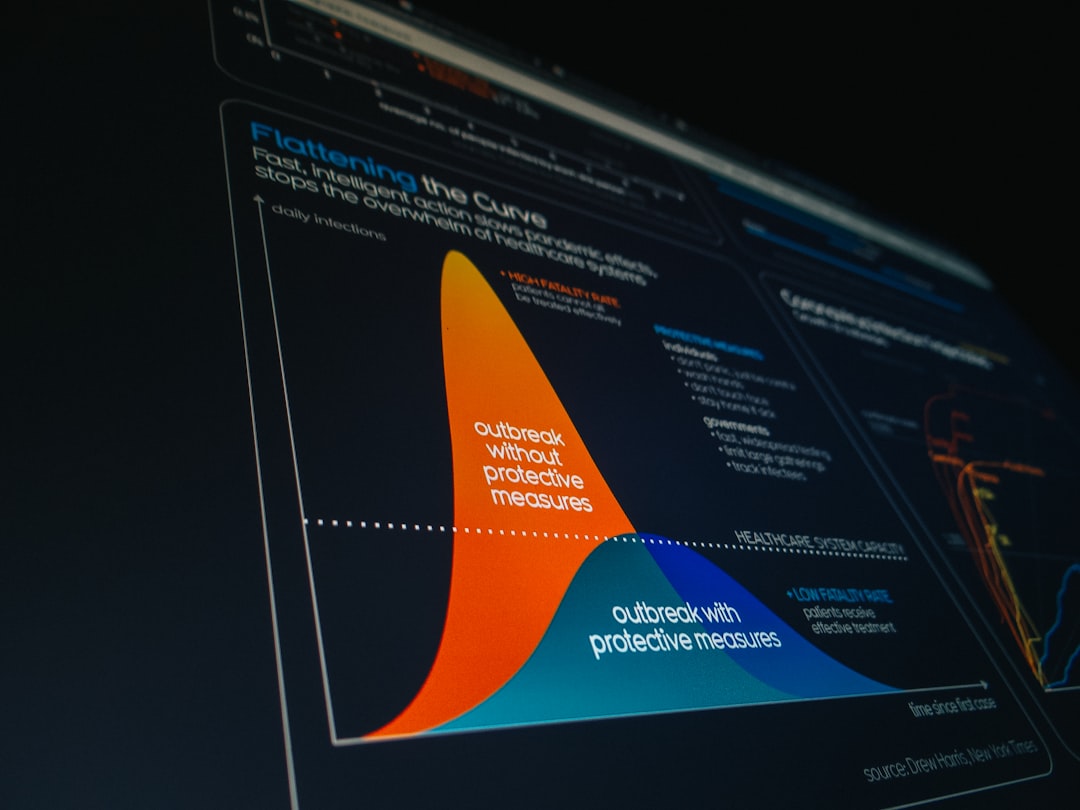
As the realm of data analytics evolves, integrating artificial intelligence (AI) into data analysis workflows is becoming increasingly vital for data professionals. This fusion not only enhances the accuracy and efficiency of data interpretation but also opens new avenues for deriving insights that were previously unattainable. here, we’ll explore the foundational concepts of AI-powered data analysis workflows and why they are crucial for today’s data-driven world.
Understanding AI in Data Analysis
At its core, AI in data analysis involves using machine learning algorithms and models to process and interpret complex datasets. These algorithms can identify patterns, make predictions, and even suggest actionable insights. The integration of AI into data workflows allows for the handling of large volumes of data with a speed and precision that surpasses traditional methods.
Why AI Matters in Data Analysis
Incorporating AI into data analysis workflows offers several advantages:
- Efficiency: AI can automate repetitive tasks, freeing up data professionals to focus on more strategic activities.
- Scalability: AI systems can handle vast amounts of data, making it feasible to process datasets that would overwhelm human analysts.
- Accuracy: Machine learning models can detect complex patterns and anomalies that might be missed by the naked eye.
- Real-time Analysis: AI enables real-time data processing, which is essential for industries that rely on immediate insights.
Components of AI-Powered Data Analysis Workflows
An AI-powered data analysis workflow typically involves several key components:
1. Data Collection and Preparation
This initial step involves gathering data from various sources and preparing it for analysis. Data cleaning and preprocessing are crucial, as AI models require accurate and standardized input to function effectively. Techniques such as data normalization and transformation are often employed at this stage.
2. Model Selection and Training
Choosing the right machine learning model is critical to the success of an AI-driven analysis. Data professionals must consider factors such as the nature of the data, the desired outcome, and the computational resources available. Model training involves feeding data through the model to enable it to learn patterns and relationships within the dataset.
3. Data Analysis and Interpretation
Once the model is trained, it can be used to analyze new data. This phase involves interpreting the results generated by the AI model and deriving actionable insights. Visualization tools and dashboards can aid in presenting these insights in an accessible manner to stakeholders.
4. Continuous Monitoring and Improvement
AI models require ongoing monitoring to ensure they maintain accuracy and relevance. Regular updates and retraining with new data can help improve model performance and adapt to changing business needs.
Real-World Application — AI in Retail
Consider a retail company that uses AI to analyze customer purchasing patterns. By integrating AI into their data analysis workflow, the company can:
- Predict Customer Preferences: Analyze past purchases to anticipate future buying trends.
- Optimize Inventory Management: Use predictive models to align stock levels with expected demand.
- Personalize Marketing Campaigns: Tailor promotions based on individual customer data to increase engagement and sales.
Through these applications, the retail company not only enhances its operational efficiency but also improves customer satisfaction and profitability.
Challenges and Considerations
While AI-powered data analysis offers numerous benefits, it also presents challenges that data professionals must address:
- Data Quality: Poor data quality can lead to misleading insights. Ensuring data accuracy and completeness is paramount.
- Model Bias: AI models can inadvertently perpetuate existing biases present in the training data. It’s crucial to implement strategies to mitigate this risk.
- Resource Intensity: Developing and maintaining AI systems requires significant computational resources and expertise.
Conclusion
AI-powered data analysis workflows are transforming the landscape of data analytics by enabling more efficient, accurate, and scalable insights. As data professionals continue to integrate AI into their practices, mastering these workflows will be essential for staying competitive and driving data-driven success. By understanding the components and challenges of AI integration, data professionals can harness AI’s full potential to unlock new opportunities in their field.
Photo by Sharad Bhat on Unsplash
Leave a Reply